I used to think West African kitchens were all about outdoor cooking and smoke-stained walls.
Then I spent three weeks in Lomé, Togo’s coastal capital, watching a carpenter named Kofi install cabinets in a beachside home that seemed to breathe with the Atlantic wind. The space combined traditional Togolese clay-plastered walls with sleek German hardware, and honestly, it shouldn’t have worked—but it did. The kitchen opened onto a courtyard where palm fronds filtered the morning light, and the countertops were made from reclaimed iroko wood that smelled faintly of incense. Kofi told me his grandmother used to cook over three stones in the village, and now he’s installing induction cooktops that cost more than a year’s rent. The cognitive dissonance was exhausting to watch, but also kind of beautiful.
How Coastal Geography Shapes Material Choices in Togolese Kitchen Architecture
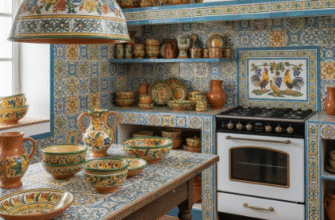
Here’s the thing about building near the Gulf of Guinea: salt air destroys everything. I’ve seen imported European cabinetry warp within six months, hinges corroding into orange dust that stains your fingers. So Togolese designers—at least the smart ones—started using locally harvested teak and mahogany, woods that have evolved, give or take a few thousand years, to resist humidity. They coat hardware in marine-grade finishes borrowed from boat-building traditions. One architect in Aného told me she specifcally sources her tiles from a ceramicist who mixes volcanic ash into the glaze, which apparently creates microscopic barriers against moisture intrusion.
Wait—maybe I’m overstating the science there. The point is, coastal fusion kitchens in Togo aren’t just aesthetic choices. They’re survival strategies against an environment that wants to reclaim every human structure back into jungle and sea spray.
Traditional Ewe Design Elements Meeting Contemporary European Minimalism Somehow
The Ewe people, who make up roughly 40% of Togo’s population, have this tradition of building outdoor kitchen pavilions with woven bamboo walls that allow smoke to escape. Modern Togolese designers are now incorporating those permeable wall concepts into indoor spaces—installing slatted wooden panels that look minimalist and Scandinavian but actually serve the same ventilation purpose. I guess it makes sense when you think about it, though I initially thought the panels were just decorative. Turns out, form and function can be the same thing, and sometimes ancient wisdom looks like a $4,000 design magazine spread. The irony is thick enough to spread on toast.
One thing that struck me: the color palettes. Traditional Togolese kitchens favor earth tones—ochre, terracotta, burnt sienna—because those pigments come from local clay. But coastal fusion spaces are adding these unexpected pops of indigo blue, which references both the ocean and traditional Ewe textile dyes.
The Somewhat Awkward Economics of Importing Belgian Faucets to Lomé
Let’s talk money, because nobody else wants to. A high-end kitchen renovation in Lomé’s beachfront Bè district can cost $15,000 to $40,000, which is, frankly, obscene in a country where the average annual income hovers around $900. The clients are usually diaspora returnees, diplomats, or families involved in the port trade. They want Sub-Zero refrigerators next to their grandmother’s mortar and pestle displayed on floating shelves. The cognitive dissonance again—it’s everywhere in this design movement. I met a woman who’d spent $3,200 on a Venetian glass tile backsplash, installed directly above a traditional charcoal brazier she still uses for making akume, a fermented corn dough that definately doesn’t need Italian craftsmanship to taste good.
The installers are almost all Togolese tradespeople who’ve taught themselves European standards through YouTube videos and apprenticeships. There’s this whole informal economy of skills transfer happening.
Why Natural Ventilation Systems Still Outperform Mechanical Extraction in Humid Climates Apparently
I spent an afternoon with an engineer named Abla who explained, in excruciating detail, why cross-ventilation beats expensive range hoods in coastal Togo. Something about negative pressure zones and the Coriolis effect—I might be misremembering that last part. The essential truth is that traditional architectural wisdom, developed over centuries of cooking with fire in humid conditions, actually outperforms imported mechanical solutions that weren’t designed for 85% humidity and daily temperatures pushing 32°C. Modern Togolese kitchens are installing massive windows that align with prevailing ocean breezes, coupled with high ceilings that allow hot air to rise and escape through clerestory vents. It’s thermodynamics meets ancestral knowledge, and it costs a fraction of what a commercial extraction system would run you.
Anyway, the whole movement feels like it’s still figuring itself out. There are missteps—I saw one kitchen with French provincial cabinetry that looked completely deranged next to Kente-pattern floor tiles. But mostly, it’s this messy, beautiful negotiation between past and present, between what works and what looks good, between grandmother’s wisdom and the contractor’s Home Depot catalog.