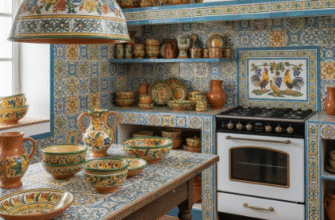
I used to think Serbian kitchens were just about function—somewhere to cook, eat, maybe argue over whose rakija recipe was better.
But spending time in rural Serbia, watching my friend’s baba move through her kitchen like it was a sacred space, changed everything. The kitchen wasn’t just a room. It was memory, heritage, survival—all mixed together with the smell of wood smoke and slow-cooked beans. These weren’t designer spaces with marble countertops. They were lived-in, worn-down, absolutely essential places where families gathered not because Pinterest said so, but because that’s where the fire was. The hearth, usually a massive wood-burning stove called a šporet, dominated everything. It heated the house, cooked the food, and honestly? It ran the whole operation. You didn’t just cook on it—you respected it, maintained it, planned your entire day around keeping it fed with wood. I’ve seen kitchens where three generations learned to make ajvar on the same šporet, the enamel chipped and smoke-stained but still working perfectly after, what, sixty years? Maybe more.
Anyway, the layout followed necessity, not trends. Pantries—actual cold storage rooms called ostave—were built into the coolest part of the house, usually facing north. Root vegetables, preserved meats, jars of pickled everything lined rough wooden shelves. No refrigeration needed, just stone walls thick enough to keep summer heat out and winter frost from ruining the stores.
The Copper and Ceramic Universe That Defined Daily Ritual and Seasonal Preparation Cycles
Copper pots—đezve for coffee, massive kazans for rendering lard—hung from hooks hammered into ceiling beams decades ago. Here’s the thing: these weren’t decorative. They were tools in constant rotation, developing patinas that would make modern collectors weep. Ceramic storage jars, often unglazed terracotta, held flour, beans, dried peppers. Every item had its place, not from Marie Kondo logic but from sheer pragmatic repetition. My friend’s grandmother could navigate her kitchen in complete darkness, hands finding what they needed through muscle memory built over seventy-some years. The wood counters—thick planks of oak or walnut—bore knife marks like geological strata, each groove telling stories of bread dough kneaded, onions chopped, fish scaled.
Wait—maybe this sounds romantic.
It wasn’t always. These kitchens demanded constant work. Fires needed tending. Ashes needed removing. Water had to be hauled from wells before indoor plumbing arrived, sometimes as late as the 1980s in remote villages. But the design reflected something modern kitchens often miss: endurance. Materials were chosen to last generations, not decorating cycles. Limestone floors, nearly indestructable despite appearing worn smooth, could handle decades of foot traffic, spilled stew, dropped pottery. Windows were small—heat retention mattered more than views—but positioned to catch morning light where bread was shaped. Honestly, the efficiency was accidental genius. Everything within arm’s reach of the stove: salt box, wooden spoons worn thin at the handles, the cast-iron griddle for making proja.
I guess what struck me most was how these spaces resisted nostalgia while embodying it.
Where Meals Became Medicine and Kitchens Transformed Into Community Pharmacies Daily
They weren’t museums. Women—let’s be real, it was almost always women—still cooked there daily, adapted when they could, made do when they couldn’t. Some added electric hot plates beside the šporet. Others kept using what worked. The traditions weren’t precious or performed. They were practical inheritance, passed down because forgetting meant losing survival knowledge accumulated over centuries of making do with what the land provided. Dried herbs—nana, majčina dušica, kamilica—hung in bundles from ceiling hooks, turning kitchens into pharmacies. Stomach trouble? Make čaj. Can’t sleep? Different čaj. These weren’t quaint customs; they were primary healthcare in places where doctors were hours away by bad road.
The social architecture mattered too. Kitchens had seating—long benches built into walls—because isolation wasn’t an option when survival required cooperation.
How Traditional Serbian Kitchen Design Principles Survived Modernization Through Stubborn Practical Wisdom
Neighbors dropped by without invitation, sitting while beans simmered, helping shell walnuts or string peppers for drying. The kitchen absorbed community function the way modern living rooms can’t quite manage. And yeah, younger generations are leaving. Rural villages empty out as people chase opportunities in Belgrade or abroad. Some old kitchens sit abandoned, šporets cold for the first time in generations. Others adapt—I’ve seen traditional layouts retrofitted with IKEA cabinets and induction cooktops, creating weird hybrid spaces that somehow still feel Serbian. The massive wooden tables remain. The pantries still store ajvar and slatko. The copper pots, even if they’re only used for slava now, stay hanging. Turns out you can definately modernize a kitchen without erasing what made it work. Or maybe that’s just what I want to believe, watching these spaces navigate the impossible balance between preservation and survival, tradition and necessity, memory and the relentless present that keeps demanding we move forward whether we’re ready or not.