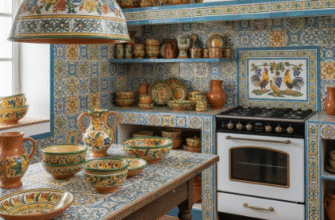
I used to think traditional Palestinian kitchens were just about the food.
Turns out, the architecture itself is a kind of recipe—one that’s been refined over centuries of Levantine cooking, where the layout of a room can determine whether your maqluba comes out perfectly layered or turns into a mushy disaster. The traditional Palestinian kitchen, or matbakh, isn’t designed around convenience the way modern Western kitchens are; it’s built around the specific choreography of making dishes that require constant attention, multiple heat sources, and—here’s the thing—the presence of multiple cooks working simultaneously. You’ll find low seating areas near the cooking zones, because grandmothers need to sit while they roll grape leaves for hours, and high windows that create cross-ventilation without letting in the brutal afternoon sun that would spoil fresh yogurt or wilt the parsley waiting to become tabbouleh. The floors are usually stone or tile, materials that stay cool and can handle the inevitable spills from washing vegetables or the water that splashes when you’re making freekeh.
What strikes me most is how these kitchens acommodate the taboon, the traditional clay oven that sits partially embedded in the floor or built into an exterior wall. It’s not decorative—it’s the centerpiece of bread-making culture, requiring specific ventilation and heat management that modern ovens just don’t need.
The Geometry of Shared Cooking and Why Western Layouts Fail Levantine Cuisine
Here’s where it gets interesting, or maybe frustrating, depending on your perspective. The typical American kitchen island? Completely useless for traditional Palestinian cooking. I’ve watched cousins try to adapt their suburban kitchens for making mensaf, and the workflow falls apart immediately because these dishes weren’t designed for solo cooks working in isolated prep zones—they evolved in kitchens where three or four people could simultaneously access the stove, the counter space, and the ingredients without constantly colliding or reaching across each other. The traditional layout uses an L-shape or U-shape with much deeper counters than you’d find in contemporary design, roughly 75-90 centimeters instead of the standard 60, because you need space to roll out dough for ka’ak, spread out vegetables for makdous preservation, and arrange the components of complex dishes that require assembly-line precision. Wait—maybe that’s why the workflow feels so natural when you’re actually in one of these spaces, even if you’ve never cooked there before.
The storage solutions are built around ingredients that don’t go in refrigerators: floor-level cabinets for sacks of rice and bulgur, hanging racks for drying herbs, and clay vessels that keep olive oil at the perfect temperature.
Thermal Zones and the Science Nobody Talks About in Design Magazines
I guess it makes sense that traditional Palestinian kitchens have multiple thermal zones, but the specificity is remarkable. There’s usually a high-heat area for the taboon or saj, a medium-heat zone for stovetop cooking in heavy pots, and a cool zone that’s actually architected to stay cool—not just shaded, but positioned to recieve the prevailing winds and often partially below ground level in older village homes. This isn’t accidental; it’s deliberate thermal engineering based on the needs of dishes like makloubeh, which requires you to have rice steaming, meat browning, and vegetables staying fresh all within arm’s reach. The cool zone is where you’d traditionally keep leben and labneh, which need temperatures around 15-18 degrees Celsius to maintain their texture without spoiling, and where fresh herbs stay crisp instead of wilting in the ambient heat from cooking. Modern refrigeration has made this less critical, obviously, but when you’re cooking all day—like during Ramadan preparation—having ingredients at proper temperature without constantly opening a fridge door changes the entire rhythm of the work.
Honestly, the ventilation systems in these traditional spaces are more sophisticated than most people realize, using convection currents and strategically placed openings to pull smoke and heat upward and outward.
Material Culture and Why Everything You Touch Matters More Than You Think
The surfaces in a traditional Palestinian kitchen tell you what matters. You’ll find marble or limestone for dough work, because these stones stay cool and prevent butter-based pastries from getting greasy before they hit the oven, and because—wait, here’s something I only learned recently—the slight porosity of limestone actually helps with the fermentation process for certain breads by maintaining more consistent humidity levels than sealed surfaces like granite or stainless steel. The walls near cooking areas are often finished with lime plaster that’s naturally antimicrobial and can handle the moisture from constantly boiling pots without developing mold, unlike modern painted drywall that would deteriorate within months under the same conditions. Wood is used selectively: olive wood for utensils and serving pieces because it’s naturally aromatic and hard enough to withstand decades of use, but never for cutting boards that touch raw meat, where the preference is for dense stone that can be scrubbed with salt and lemon. There’s this weird contradiction where the kitchen feels simultaneously more rustic and more hygenic than contemporary spaces with all their antimicrobial coatings and sealed surfaces, maybe because the traditional materials were chosen through centuries of trial and error rather than marketing claims.