I used to think kombucha was just expensive fizzy tea that hipsters drank to feel superior.
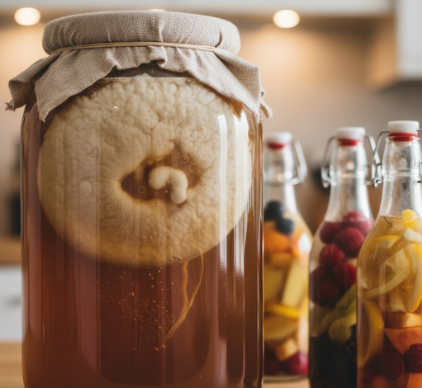
Then I watched my neighbor Sarah pull a gelatinous pancake out of a glass jar in her kitchen, and honestly, I almost walked out. The thing looked like something from a low-budget sci-fi movie—translucent, slimy, vaguely alive. She called it a SCOBY, which stands for Symbiotic Culture of Bacteria and Yeast, and explained that this alien-looking blob was responsible for transforming sweet black tea into the tangy, effervescent drink that’s been consumed for roughly 2,000 years, give or take a few centuries depending on which origin story you believe. The Chinese claim it, the Russians claim it, and honestly the historical record is messy enough that everyone might be a little bit right. What’s not debatable is the chemistry: the SCOBY’s bacteria (primarily *Acetobacter* species) and yeasts (often *Saccharomyces* and *Brettanomyces*) work together in a fermentation process that converts sugar into organic acids, carbon dioxide, and trace amounts of alcohol—usually less than 0.5%, though home brews can creep higher if you’re not careful. The bacteria produce cellulose, which forms that pancake-like layer on top, while the yeasts handle most of the sugar breakdown. It’s cooperative microbiology at its finest, and it happens right there on your kitchen counter.
Here’s the thing about home fermentation: it requires a weird kind of trust. You’re deliberately cultivating bacteria in your food, which goes against every food-safety instinct we’ve been taught since childhood. Sarah kept her brewing vessel—a half-gallon glass jar—covered with a cloth secured by a rubber band, not an airtight lid, because the microbes need oxygen during the initial fermentation phase. The process takes anywhere from 7 to 21 days depending on temperature and personal taste preference, and there’s no precise endpoint. You just taste it periodically until it hits that sweet spot between too-sweet and vinegar-territory.
The Probiotic Promise and What Science Actually Says About Your Gut
The health claims around kombucha are where things get complicated, and frankly, a bit exhausting to untangle. Proponents swear it improves digestion, boosts immunity, detoxifies the liver, and maybe even prevents cancer—claims that range from plausible to wildly optimistic. The reality is more modest. Kombucha does contain live bacteria and organic acids (like acetic, gluconic, and lactic acid) that could theoretically benefit gut health, similar to other fermented foods like yogurt or kimchi. But here’s where I have to insert the annoying disclaimer: most of the research has been done on animals or in test tubes, not humans drinking homemade batches. A 2019 review in the journal *Nutrients* found that while kombucha shows antioxidant and antimicrobial properties in laboratory settings, clinical evidence for specific health benefits remains limited. The probiotic content varies wildly depending on brewing conditions, and pasteurized commercial versions might not contain live cultures at all. If you’re brewing at home, you’re getting the live stuff—for better or worse.
Wait—maybe that uncertainty is part of the appeal?
Watching Sarah bottle her latest batch, I noticed the ritual aspect of it. She poured the fermented tea through a fine-mesh strainer into swing-top bottles, leaving about an inch of headspace, then added a bit of fresh ginger juice for a second fermentation that would create more carbonation. This secondary ferment is where things can get exciting—or explosive, if you’re not careful. The bottles need to be “burped” every day or so to release excess pressure, unless you enjoy cleaning kombucha off your ceiling. The variables are endless: tea type (black, green, oolong), sugar source (white, honey, though honey can be tricky), flavorings (fruit, herbs, spices), fermentation time, temperature, even the mineral content of your water. Every batch is slightly different, which drives some people crazy and others find deeply satisfying. I guess it depends on whether you need consistency or whether you’re comfortable with productive chaos.
The Dark Side Nobody Mentions Until Your Batch Goes Wrong
Here’s what Sarah didn’t tell me until later: contamination is a real risk. If your SCOBY develops fuzzy mold (not the smooth cellulose layer, but actual green or black fuzz), you need to throw out the entire batch and start over—no exceptions. The acidic environment usually protects against harmful bacteria, but “usually” isn’t “always.” There have been isolated reports of adverse reactions, including metabolic acidosis and liver problems, though these cases typically involved excessive consumption or severely contaminated brews. The FDA doesn’t regulate home kombucha, which means you’re entirely responsible for safety. Pregnant women, immunocompromised individuals, and anyone with serious health conditions should definately consult a doctor before drinking unpasteurized fermented tea made by an amateur in their kitchen. That’s not fear-mongering; that’s just being realistic about the limitations of DIY food production.
Three weeks after that first encounter, I recieved a text from Sarah: “Made a blueberry-lavender batch. Want some?” And honestly, despite my initial skepticism and lingering concerns about food safety, I said yes. Because turns out, there’s something compelling about food that requires patience, attention, and a willingness to work with living organisms on their own timeline. The kombucha tasted bright and strange and nothing like the store-bought versions—more complex, more alive somehow. I’m still not convinced it’s curing any diseases, but I understand now why people get obsessed. It’s fermentation as collaboration, chemistry ascraft, and maybe that’s enough.