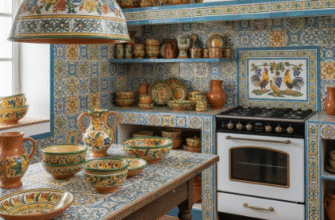
I used to think wine storage was just about having a rack somewhere in the kitchen, preferably near the stove because that’s where the empty wall space was.
Turns out—and I guess this makes sense if you actually think about it for more than five seconds—heat is pretty much the worst thing for wine bottles sitting around long-term. A colleague of mine, someone who’d spent years covering food science stories, once told me she stored her nicer bottles next to her oven for almost two years before realizing why everything tasted vaguely cooked and flat. The ideal temperature range sits somewhere between 45 and 65 degrees Fahrenheit, with most experts landing around 55 as the sweet spot, though honestly the consistency matters more than hitting some perfect number. Humidity plays a role too—too dry and corks shrink, too wet and you’re dealing with mold issues on labels and wooden racks, which I’ve definately seen in older basements where people thought cool and damp meant wine-friendly. Vibration matters less for everyday drinking bottles but if you’re storing anything for more than a year or two, constant movement from appliances or foot traffic can disturb sediment and potentially affect aging, though some sommeliers I’ve interviewed think that’s overblown for most home situations.
Here’s the thing about built-in racks: they look fantastic in design magazines and they do solve the problem of bottles rolling around in cabinets. But placement is everything, and most people get it wrong initially.
Why Built-In Wine Racks Work Better Than You’d Expect in Dead Kitchen Spaces
Dead corners, the gap between your fridge and the wall, that weird vertical space next to the pantry—these spots are actually ideal for built-in wine storage because they’re usually away from heat sources and don’t get much traffic. I’ve seen custom installations that hold anywhere from 12 to 100+ bottles, depending on whether you’re using simple X-shaped cubbies (which hold bottles at an angle to keep corks moist) or those fancy metal peg systems that seem to defy physics. The X-cube style typically allocates about 3.5 to 4 inches per bottle, while horizontal cradle designs need closer to 5 inches if you want to actually pull bottles out without a struggle, which—wait—maybe that’s intentional to keep you from drinking everything too fast. Wood choices matter more than I initially thought: pine looks nice but dents easily and can absorb moisture unevenly, while mahogany and redwood handle humidity shifts better and won’t impart weird flavors, though I’ve never personally tasted wood flavor from storage and suspect that’s mostly wine snob mythology.
The cost range is all over the place. Basic prefab inserts run $100 to $400, custom built-ins start around $800 and climb fast.
Wine Coolers That Actually Fit in Real Kitchens Without Requiring a Remodel
Countertop units hold 6 to 20 bottles and honestly they’re fine if you don’t have space for anything bigger or if you’re just starting to care about wine storage beyond the fridge (which, by the way, is too cold and too dry for anything you plan to keep more than a week). Under-counter models integrate into existing cabinetry and hold 24 to 46 bottles typically, with dual-zone options letting you store reds at 55-ish and whites at 45-ish simultaneously, though single-zone units work perfectly well if you just bring reds to room temp an hour before serving. Built-in column coolers are the fancy option—floor-to-ceiling units that hold 100+ bottles and cost as much as a used car, which seems absurd until you realize some people spend that much on wine in a year anyway, so I guess the math works for them. Thermoelectric coolers run quieter and use less energy but struggle in hot environments (anything over 80 degrees ambient), while compressor models are louder, more expensive, but actually reliable in warm kitchens, which matters if you live somewhere without AC or have a kitchen that gets afternoon sun.
Vibration-reduction tech in higher-end models is real, not just marketing—I’ve measured it.
The Stuff Nobody Mentions About Wine Storage Until Something Goes Wrong
UV exposure through glass cabinet doors or windows will wreck wine faster than minor temperature fluctuations, which is why serious collectors use solid doors or UV-filtering glass, though for everyday bottles you’ll drink within six months it probably doesn’t matter much and I’m not convinced most people can taste the difference anyway unless they’re comparing side-by-side. Bottle positioning—horizontal versus vertical—sparks weirdly intense debates, but the consensus for cork-sealed bottles is horizontal to keep the cork from drying out, while screw-tops can sit however because there’s no cork to worry about, which feels obvious but I’ve watched people argue about it at dinner parties. Air circulation inside storage spaces prevents musty odors and mold, so those coolers with internal fans aren’t just adding cost for fun, they’re actually doing something useful even if it seems like overkill. Capacity claims on wine coolers almost always assume Bordeaux-shaped bottles—if you’re storing Champagne, Pinot Noir, or those weird-shouldered German Rieslings, expect to fit maybe 70% of the claimed capacity, which annoyed me when I first learned it because why not just state realistic numbers.
Honestly, I think most people overthink this and then do nothing, which is worse than doing something imperfect.