I used to think wainscoting was just something your grandmother insisted on keeping in the dining room, a relic of some Victorian fever dream about propriety and chair rails.
Turns out, the whole concept makes a lot more sense when you’re standing in a kitchen at 6:47 AM, watching tomato sauce arc through the air in slow motion because someone—fine, me—got a little too enthusiastic with the wooden spoon. Kitchen wainscoting isn’t about aesthetics first, though that’s the part we talk about at dinner parties. It’s about creating a barrier between your walls and the daily violence of cooking: the grease splatter, the flour explosions, the mysterious sticky residue that appears near the stove and refuses to explain itself. Wainscoting, which typically covers the lower third or half of your wall, acts like a shield that’s actually designed to take a beating. You can wipe it down, scrub it aggressively, even hit it with degreaser that would make your regular drywall weep. The material—whether it’s beadboard, raised panels, or flat panels—creates a surface that’s fundamentally more forgiving than paint, which I’ve learned the hard way after repainting the same three-foot section behind my cutting board roughly four times in two years, give or take.
Here’s the thing, though. Not all wainscoting handles kitchen chaos equally. Beadboard, with its vertical grooves, looks charming but collects grime in those little channels like it’s being paid to do it. Raised panel wainscoting has a more traditional, formal vibe—maybe too formal if your kitchen aesthetic is more “functional disaster zone” than “English country manor.”
The Materials Question Nobody Wants To Answer Honestly
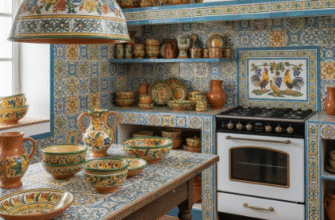
Wood sounds romantic until you’re dealing with moisture, which kitchens produce in absurd quantities. Steam from pasta water, humidity from the dishwasher, that puddle situation that develops near the sink—all of it conspires against natural wood, which can warp, crack, or develop that sad, swollen look over time. MDF (medium-density fiberboard) is cheaper and takes paint beautifully, but it basically dissolves if it gets genuinely wet, so you’d better be religious about sealing it. PVC or vinyl wainscoting is the practical choice nobody wants to admit they’re considering because it sounds, I don’t know, cheap? But it’s waterproof, easy to clean, and doesn’t care about your kitchen’s emotional problems. I’ve seen it in enough renovated kitchens to know it works, even if it doesn’t have the same tactile satisfaction as running your hand over real wood grain. Tile wainscoting is another option—more common as a backsplash, sure, but it extends lower as a hybrid approach. Durable, water-resistant, comes in approximately nine million design options. The grout, though. The grout will betray you eventually, turning grey-brown in a way that makes you question your life choices.
Wait—maybe I’m being too pessimistic about grout.
Installation height matters more than the design blogs let on. Traditional wainscoting sits around 32-36 inches high, which is fine for a formal room where nothing ever happens. In a kitchen, you might want it higher—48 inches or even up to counter height—because that’s where the action is. That’s where the splatter radius lives. Going too low means you’ve basically installed decorative trim that doesn’t actually protect anything, which feels like a waste of everyone’s time and your weekend. Some people run it all the way up to create a full wall treatment, which definately changes the room’s proportions and can make a small kitchen feel even more closed-in, though in a larger space it might add that cozy, wrapped feeling people pay interior designers to achieve.
The Style Paradox Between Protection And Personality In Kitchen Design
The weird thing about kitchen wainscoting is that it’s simultaneously practical and decorative, which means you’re constantly negotiating between what works and what looks good. Paint it white or cream, and it recedes into the background, becoming an almost invisible workhorse that just quietly does its job. Choose a bold color or contrasting stain, and suddenly it’s a design statement that demands attention, which might be great or might be exhausting depending on your tolerance for visual noise while you’re trying to make coffee. I guess it makes sense that the Victorians, who loved both ornament and function, landed on wainscoting as a solution—they were dealing with coal soot and god knows what else, so they needed walls that could take a scrubbing. We’ve just inherited their solution and retrofitted it with different anxieties, like whether the subway tile we chose will look dated in three years. Honestly, if your wainscoting keeps tomato sauce off your drywall and doesn’t make you actively unhappy when you look at it, you’ve probably succeeded. The rest is just varying degrees of overthinking, which—let’s be real—is most of what home improvement actually is anyway.
The installation process ranges from “enthusiastic weekend project” to “call someone who owns a miter saw and knows how to use it.” Depends on your skill level and pain tolerance. The protection, though? That part’s real, measurable, worth it. Your walls will thank you, assuming walls could express gratitude, which they can’t, but you know what I mean.