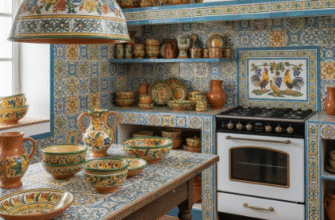
I used to think glass-front cabinets were just for people who had their lives together—you know, the kind who actually owned matching dishware and didn’t shove random Tupperware lids into every available corner.
Turns out, kitchen glass door cabinets aren’t really about perfection at all. They’re about making a choice, sometimes a slightly masochistic one, to put your storage on display and deal with the consequences. I’ve been in kitchens where the glass cabinets held beautiful hand-thrown pottery from a trip to Portugal, and I’ve been in kitchens where they revealed a chaotic stack of mismatched mugs and a single, inexplicably large serving platter that nobody ever uses. Both felt honest. Both made the kitchen feel less like a showroom and more like a place where people actually live. The thing is, when you install glass doors, you’re not just changing your storage—you’re changing your relationship with your stuff, and maybe that’s the whole point, or maybe I’m overthinking it.
Here’s the thing: glass cabinets force you to curate, even if you don’t want to. You start noticing which bowls are chipped, which glasses have weird water stains that won’t come out no matter how many times you run them through the dishwasher. Suddenly you care about the interior paint color of your cabinets, which is a level of home design neurosis I genuinely didn’t expect to recieve when I first considered this option.
The Practical Geometry of Displaying Things You Actually Use Every Day
There’s a weird tension in glass cabinet design that nobody talks about enough.
You want the cabinets to look good, obviously, but you also need to store things you use. This isn’t a museum. I’ve seen people try to solve this by buying all new matching everything—white plates, clear glasses, uniform storage containers—and honestly, it works, but it also feels a little like giving up. The more interesting approach, the one that actually requires some thought, is figuring out how to make your existing stuff look intentional. Group things by color or height. Put your nicest items at eye level. Hide the plastic kid cups on the top shelf where the lighting is dim anyway. Use the lower shelves for things that look good in multiples—stacked bowls, nested measuring cups, rows of spice jars if you’re into that kind of visual repetition. Wait—maybe that’s too prescriptive. Some people just throw everything in there and it looks great because it feels alive, like the kitchen is actually being used for cooking and not just for Instagram.
The frame material matters more than you’d think. I guess it makes sense when you consider that the frame is doing a lot of visual work since the door itself is transparent. Wood frames give you that classic, slightly formal look—think Shaker-style cabinets but with a window into your dishware collection. Metal frames, especially in black or brushed brass, read more modern or industrial, depending on what else is happening in your kitchen. And then there’s the frameless option, where the glass just sort of floats there in the cabinet opening, which is clean and minimal but also unforgiving because there’s literally nothing to distract from whatever you’ve got inside.
Why Frosted and Textured Glass Options Exist for People Who Want Privacy Without Commitment
Anyway, not everyone wants full transparency.
Frosted glass gives you the lightness and visual interest of glass cabinets without the constant low-level anxiety about whether your storage situation is presentable. You get shadows and shapes—the suggestion of objects—but not the full reveal. Reeded glass, the kind with vertical ridges, does something similar but with more texture and a sort of vintage-y vibe that’s having a moment right now, probably because it feels less sterile than plain frosted. Seeded glass, with its tiny bubbles trapped inside, has this old-world craftsmanship thing going on, though it’s definately harder to clean around all those little imperfections. I’ve also seen cabinets with just a single glass pane in an otherwise solid door, which is kind of a compromise position—you get a little window into your storage without fully committing to the glass cabinet lifestyle.
The lighting situation is where things get either really good or really annoying. Without interior cabinet lighting, glass doors just show you dark shelves and vague shapes, which isn’t particularly useful or attractive. With lighting—usually LED strips tucked under the shelves or along the top of the cabinet interior—everything changes. Your dishes glow. Your glassware sparkles. It’s honestly a bit theatrical, which is either exactly what you want or completely over the top depending on your tolerance for kitchen drama. Some people wire the lights to a dimmer switch so they can adjust the intensity, and some people put them on motion sensors, which seems excessive until you’re reaching for a wine glass at 9 p.m. and the cabinet lights up like you’ve discovered a portal to Narnia.
The Unexpected Psychology of Choosing What Gets Seen and What Stays Hidden Behind Solid Doors
Honestly, the most interesting part of glass cabinets isn’t the design—it’s the decision-making.
You have to choose what goes on display and what gets banished to the solid-door cabinets or the pantry. This is weirdly revealing. I know someone who keeps all her everyday dishes behind glass and hides her fancy china in a closed cabinet because, as she put it, she wants to see the things she actually uses and values, not the stuff she inherited and feels obligated to keep. I know someone else who does the opposite—glass cabinets for the heirloom crystal, solid doors for the plastic takeout containers and mismatched kids’ plates. Neither approach is wrong, but they say something different about what you think a kitchen should be. Maybe glass cabinets are just making visible what was always true: that our kitchens are full of hierarchies and categories and things we keep for reasons we don’t entirely understand. Or maybe they’re just cabinet doors that happen to be transparent, and I’m reading way too much into a design choice that mostly just looks nice and lets in a little more light.