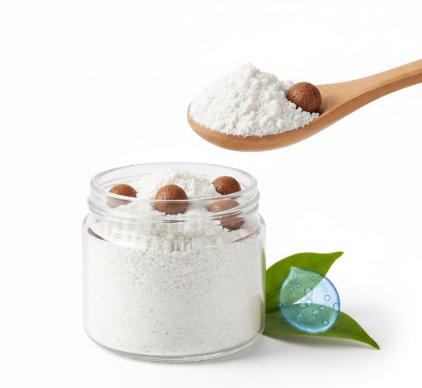
I used to think enzyme treatments for garbage disposals were just another thing plumbers invented to sell us stuff we didn’t need.
Turns out—and this genuinely surprised me when I started digging into the microbiology—these products are basically tiny armies of bacteria that eat the same stuff clogging your pipes. The enzymes themselves are proteins that break down fats, oils, and food particles into smaller molecules that septic systems can actually process. We’re talking lipases for fats, proteases for proteins, amylases for starches. It’s the same biological machinery your stomach uses, just relocated to a considerably less pleasant environment. The bacteria producing these enzymes are usually Bacillus strains, tough little organisms that can survive in dormant spore form until they hit water and wake up hungry. They multiply fast—some species can double their population every twenty minutes under ideal conditions—and they secrete enzymes as they feed, which is why one treatment can keep working for days or even weeks.
Here’s the thing, though. Not all enzyme treatments are created equal, and the septic-safe label doesn’t always mean what you think it does.
Why Your Septic System Might Actually Benefit From the Right Enzyme Formula
Septic tanks are essentially giant fermentation vats buried in your yard. They rely on anaerobic bacteria—organisms that don’t need oxygen—to break down waste. When you dump chemical drain cleaners down there, you’re basically carpet-bombing that bacterial ecosystem. The caustic ingredients kill indiscriminately. Enzyme treatments, by contrast, introduce more workers to the job site. I’ve seen studies from the National Environmental Services Center suggesting that enzyme additives can reduce the accumulation of solids in septic tanks by roughly 30 to 40 percent over a year, give or take, depending on household size and what you’re putting down the drain. The key is choosing formulas specifically designed for septic systems—ones that avoid phosphates and harsh surfactants that can disrupt the tank’s bacterial balance or contaminate groundwater. Look for products labeled biodegradable with multiple enzyme types, not just one. A good formula will have at least four different enzymes to handle the variety of organic matter flowing through your system.
The Garbage Disposal Paradox Nobody Warns You About When You Have a Septic Tank
Wait—maybe I should back up.
Garbage disposals and septic systems are kind of a problematic pairing to begin with. Most septic professionals will tell you, often with visible exhaustion, that disposals increase the solid load in your tank by something like 50 percent. That means more frequent pumping, which means more money. The food particles don’t just vanish; they add to the sludge layer at the bottom of the tank. If that layer gets too thick, solids start flowing into the drainfield, which is basically the beginning of the end for your system. Enzyme treatments can help here—they accelerate the breakdown of those food particles before they settle as sludge. But honestly, they’re a band-aid, not a solution. The real answer is using your disposal sparingly and composting what you can. I know, I know, that’s not what you wanted to hear. But the science is pretty clear: even the best enzyme treatment can’t fully compensate for a household that treats their disposal like a wood chipper for last night’s lasagna.
What Actually Happens When You Pour Enzymes Down the Drain and Whether It’s Worth the Hassle
The application process is embarassingly simple. You pour the liquid or powder down the drain, run some water, and let the bacteria do their thing. Most products recommend weekly treatments, though some claim monthly is enough—I’m skeptical of those, mostly because bacterial populations crash without regular feeding. The enzymes start working within hours, breaking molecular bonds in organic matter and turning solid gunk into liquids and gases that your septic system can handle. Carbon dioxide, water, and simpler organic compounds are the end products. It’s elegant, really, in a microscopic sort of way.
But here’s where I get a little irritated with the marketing around these products. They’re sold as miracle cures for clogged pipes and failing septic systems, which is definately overselling what they can do. If your system is already in crisis—if you’ve got sewage backing up or standing water in the drainfield—enzymes aren’t going to fix that. You need a professional, probably an expensive one. Enzyme treatments are preventative maintenance, not emergency repair. They work best when your system is healthy and you’re trying to keep it that way.
I guess what I’m saying is this: enzyme treatments are a useful tool if you understand their limits. They won’t replace proper septic care—regular pumping every three to five years, water conservation, keeping harsh chemicals out of the system. But as part of a broader maintenance routine, especially if you insist on using a garbage disposal with a septic tank, they can reduce solid buildup and extend the life of your system. The bacteria are real, the enzymes are real, and the breakdown process is exactly what’s supposed to happen in your septic tank anyway. You’re just giving nature a boost. Whether that’s worth the cost—usually fifteen to thirty dollars a month—depends on how much you value avoiding a five-thousand-dollar drainfield replacement. For me, that math works out pretty clearly.