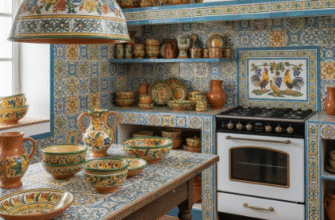
I used to think freestanding ranges were basically immovable once you picked a spot.
Turns out, that’s one of the things I got completely wrong about kitchen appliances—and I’ve been writing about home design for, what, maybe seven years now? The whole point of a freestanding range is that it doesn’t need custom cabinetry or a specific cutout dimension like those finicky slide-in models do. You can drop one next to a wall, between cabinets, in the middle of a kitchen island if you’re feeling ambitious (though you’ll need ventilation sorted out, obviously). The flexibility isn’t just about physical placement either; it’s about not locking yourself into a single kitchen layout for the next decade or two, which—let’s be honest—feels increasingly important when life circumstances change faster than appliance warranties expire.
Here’s the thing: most people don’t realize that freestanding ranges come with finished sides. Both sides, actually. That means you’re not stuck wedging them between countertops like you would with a slide-in model that has those ugly unfinished edges.
Why Location Independence Actually Matters More Than You’d Think
The practical side gets interesting when you start looking at real-world scenarios. Renters can bring their own range to a new apartment without worrying whether it’ll fit the previous tenant’s custom setup—I’ve seen people do this with higher-end models they didn’t want to leave behind. Homeowners who remodel in stages can move the range temporarily without hiring a contractor to reconfigure cabinetry. And if you’re one of those people (like me, apparently) who rearranges furniture compulsively, knowing your range isn’t a permanent fixture offers a weird kind of psychological relief. One woman I interviewed last year moved her freestanding range three times in five years across two different homes, and she said the flexibility was worth the initial extra cost compared to a slide-in. I guess it depends on how often you anticipate major life changes, but the option feels valueable even if you never use it.
Wait—maybe I should mention the installation part.
Standard electrical or gas hookups work almost everywhere, assuming your home’s infrastructure is up to code. You don’t need special outlet placements or custom gas line configurations like you might with built-in ranges that demand precise positioning. Most freestanding models just need a standard 240-volt outlet (for electric) or a gas line with a shutoff valve positioned somewhere accessible—typically within a few feet of where the range will sit. The anti-tip bracket is the only real installation requirement, and even that’s pretty forgiving about placement as long as it keeps the range from tipping forward when you open the oven door with, say, a Thanksgiving turkey pulling all the weight forward.
The Tradeoffs Nobody Really Talks About Until You’ve Already Bought One
Honestly, freestanding ranges aren’t perfect. The gap between the range and countertop collects crumbs and spills in a way that makes me question my life choices roughly once a week. Slide-in models sit flush, so you don’t get that annoying crevice where food debris seems to breed overnight. But the counterargument—and this is where I’ve changed my mind over time—is that you can actually clean around a freestanding range because you can pull it out without dismantling your entire kitchen. Try doing that with a built-in model wedged between custom cabinets. The aesthetic tradeoff is real, though. Freestanding ranges have that control panel backsplash that some people find dated or bulky compared to the sleek, seamless look of slide-ins. But if you’re prioritizing flexibility over visual continuity, that’s a trade most people can live with.
I’ve definately noticed more manufacturers offering freestanding models with premium features—convection ovens, induction cooktops, smart connectivity—that used to be exclusive to built-in or slide-in ranges. The market’s catching up to the fact that flexibility doesn’t mean settling for basic functionality. And the resale consideration matters too: freestanding ranges appeal to a broader range of buyers because they don’t require specific kitchen configurations, which can make your home easier to sell if that’s ever a priority.