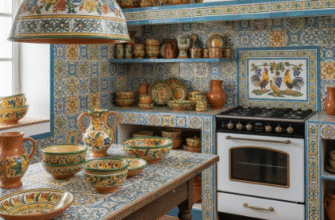
I used to think a kitchen needed drawers full of gadgets.
Turns out, the best cooks I know—the ones who can throw together a dinner party for eight without breaking a sweat, who never seem flustered even when the oven’s acting up—they all have surprisingly minimal setups. They’ve just figured out which tools actually matter. Not the spiralizers gathering dust, not the avocado slicers that seemed clever at 2 AM on some shopping site, but the workhorses that earn their counter space every single day. I spent years accumulating kitchen stuff before I realized that more equipment doesn’t make you a better cook. The right equipment does, though, and honestly, the list is shorter than you’d think.
Here’s the thing: quality matters more than quantity. A really good chef’s knife—like, actually good, not just expensive—changes everything. I’m talking about an 8-inch blade that feels balanced in your hand, holds an edge for weeks, and makes you want to prep vegetables just for the satisfaction of it. Mine cost roughly $120, give or take, and I’ve had it for six years now. Still sharp. Still my first reach every time I cook.
The Unsexy Essentials That Do All the Heavy Lifting in Your Kitchen
Cast iron skillets are where things get interesting.
Everyone’s grandmother had one, and there’s a reason they lasted generations. They distribute heat evenly, they go from stovetop to oven without complaint, they develop this incredible nonstick surface over time that no coating can match. Yes, they’re heavy. Yes, the seasoning thing seems complicated at first (it’s not—just cook bacon in it a few times and don’t overthink it). But I’ve seared steaks, baked cornbread, roasted vegetables, even made pizza in mine. It cost $25. Wait—maybe that sounds too good to be true, but I bought it seven years ago and it’ll probably outlive me. The expensive enameled ones are pretty, sure, but the basic Lodge version works just as well. You don’t need both a 10-inch and a 12-inch, though I definately have both because I lack self-control.
Cutting Boards and Mixing Bowls Nobody Photographs But Everyone Actually Uses
Wooden cutting boards are non-negotiable. Plastic ones dull your knives and get gross-looking after a while, and glass ones—honestly, whoever invented glass cutting boards has never actually cooked. Wood is gentler on blades, naturally antimicrobial (something about the tannins, I think?), and if you oil it occasionally it lasts forever. I have a massive one that barely fits in my sink, and it’s annoying to wash but invaluable for everything else.
Mixing bowls seem boring until you don’t have the right size.
I guess it makes sense that you’d want a set—small for whisking eggs, medium for mixing cookie dough, large for tossing salads or marinating chicken. Metal ones are indestructible and lightweight. Glass ones let you see what’s happening inside, which matters more than I expected when you’re watching cream whip or dough rise. I have six bowls in various sizes and I use all of them, sometimes in the same recipe. They nest inside each other, they’re cheap, and they’re the kind of thing you don’t appreciate until you’re trying to make Thanksgiving dinner with only two bowls and suddenly you’re washing dishes mid-recipe like some kind of amateur.
The Unsexy Truth About Measuring Tools and Why Precision Sometimes Actually Matters
Kitchen scales changed my baking life completely.
Americans are weird about cups and tablespoons—every other country just weighs ingredients, which is faster and more accurate and means you don’t have to wash seventeen measuring cups. A digital scale costs maybe $15, fits in a drawer, and suddenly your bread actually rises consistently and your cookies come out the same size every time. I used to think baking was unpredictable, but really I was just measuring flour wrong (scooping it packs it down, you’re supposed to spoon it into the cup, but honestly who has time for that when you can just weigh it?). For cooking, yeah, you can eyeball most things. For baking, though, precision matters in ways that genuinely surprised me. The difference between 120 grams and 150 grams of flour is the difference between tender biscuits and hockey pucks, and you can’t really tell by looking.
Anyway, that’s the core list. A good knife, a cast iron skillet, a wooden cutting board, some mixing bowls, and a kitchen scale. Everything else is either a bonus or a distraction, and I’ve wasted enough money on distractions to know the difference now.