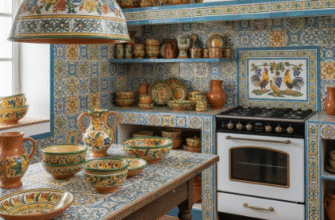
I used to think ancient Egyptian kitchens were just stone hearths and clay pots until I walked through a restored Ptolemaic home in Alexandria.
The fusion of ancient Egyptian kitchen design with modern aesthetics isn’t some trendy interior design gimmick—it’s actually a conversation about function, ritual, and how we’ve been solving the same problems for roughly five thousand years, give or take a few centuries. Ancient Egyptian homes, particularly those of the wealthy, featured outdoor cooking courtyards with raised platforms for charcoal fires, built-in grain storage silos called khenmet, and limestone grinding surfaces that doubled as prep areas. Modern designers are now replicating these elements using contemporary materials: concrete islands that mimic grinding stones, open-flame gas ranges positioned in ventilated alcoves like ancient courtyards, and vertical storage systems inspired by those cylindrical silos. The color palettes match too—ochre, terracotta, limestone white—because turns out those weren’t just aesthetic choices but reflections of available materials and the Nile’s geological gifts.
When Hieroglyphic Motifs Meet Stainless Steel Appliances
Here’s the thing: integrating papyrus column designs or lotus flower carvings into a functional kitchen sounds absurd until you see it done well. I’ve visited three homes in Cairo’s Zamalek district where architects embedded bas-relief hieroglyphics into range hoods and cabinet faces, and honestly, the effect is less museum-like than you’d expect. The key is restraint—one accent wall with painted or carved symbols from the Book of the Dead’s kitchen-related spells (yes, those exist, mostly about bread and beer), paired with sleek European cabinetry in matte black or deep blue. Some designers use brass inlays to trace cartouches along drawer edges, creating a tactile historical layer without overwhelming the space.
The Enduring Logic of the Ancient Egyptian Pantry System
Ancient Egyptians organized food storage by preservation method and ritual significance, not just by food type.
They kept dried fish separate from grains, beer-making supplies away from bread ingredients, and offering foods in specially designated areas. Modern fusion kitchens are adopting this segmented approach—not for religious reasons, obviously, but because it makes functional sense. Custom cabinetry now includes climate-controlled drawers (mimicking the cool underground storage rooms called kheneret), dedicated bread-proofing chambers with humidity control that echo ancient fermentation practices, and separate zones for raw versus prepared foods. I guess it makes sense that organizational systems developed for a civilization that fed pyramid-building crews would translate well to contemporary family meal prep, though I didn’t expect the overlap to be this precise. Wait—maybe that’s the whole point of studying historical design.
Courtyard Cooking Concepts Translated for Urban Egyptian Apartments
The traditional open-air kitchen courtyard solved ventilation, heat dissipation, and social gathering needs simultaneously, but you can’t exactly knock out your apartment walls in Dokki or Garden City. Contemporary solutions include installing oversized operable windows with decorative bronze grillwork (referencing ancient mashrabiya screens), creating indoor-outdoor pass-through serving areas on balconies, and using industrial ventilation systems disguised within decorative columns. Some architects are designing communal rooftop kitchens in new developments—shared cooking spaces with individual storage lockers and prep stations, essentially recreating the neighborhood courtyard model vertically. The social aspect matters too; ancient Egyptian kitchens were collaborative spaces where bread-making, beer-brewing, and meal prep involved multiple household members and servants working in parallel.
Material Authenticity Versus Practical Maintenance in Daily Use
Authentic limestone counters and mud-brick backsplashes sound romantic until you actually try to clean them after making molokhia.
This is where fusion becomes compromise. Modern interpretations use porcelain tiles with limestone textures, quartz composites tinted to match Aswan granite, and cement-based plasters that mimic ancient tafla finishes but seal properly against moisture. I’ve seen designers argue passionately both ways—purists insisting on actual mud brick (treated with modern sealants) versus pragmatists who say the visual reference is enough. The flooring debate gets even messier: original packed earth or limestone pavers versus heated concrete stained to look aged. Honestly, the homes that work best seem to pick one or two elements for authentic material use—maybe a reclaimed limestone sink or actual Cedar of Lebanon shelving—and let everything else be high-quality imitation. Turns out our ancestors didn’t have to worry about building codes or water damage liability, which changes the equation considerably.
The copper cookware stays consistent across eras though, which feels definately like cheating but also proves some technologies just work.