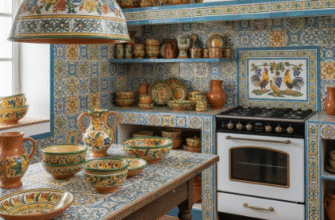
I used to think coastal kitchens were just white cabinets and some seashells on a shelf.
Turns out, the whole beach-inspired design thing runs way deeper than that—like, oceanographer-mapping-the-Mariana-Trench deeper. When I started poking around actual coastal homes, not the staged magazine versions, I found designers pulling colors from tide pools at dawn, textures from weathered driftwood that’s been tumbling in surf for maybe a decade or more, and finishes that somehow capture that specific quality of light you get when sun hits wet sand. The materials aren’t trying to scream “BEACH HOUSE” at you; they’re whispering it, the way salt air sneaks into your clothes without you noticing. And here’s the thing: the best coastal kitchens I’ve seen don’t actually look like they’re trying at all, which is probably the hardest part to pull off.
Anyway, let’s talk colors first. The palette isn’t what you’d expect—or maybe it is, but softer. We’re talking seafoam greens that lean almost gray, blues that shift between storm clouds and shallow water depending on the light, sandy beiges that have actual warmth instead of that builder-grade blandness. I guess what surprised me most was how many designers avoid pure white entirely, opting instead for creams with subtle peachy undertones or whites that read slightly blue in certain angles. One kitchen designer in Charleston told me she samples paint colors at different times of day because coastal light—especially that late afternoon thing—transforms everything.
Natural Materials That Actually Feel Like They Belong Near Water
Wait—maybe I should back up and explain why material choice matters so much in these spaces. Coastal environments are brutal on interiors: humidity, salt, temperature swings, the works. So you can’t just slap any pretty countertop in there and call it a day. The materials that work best are the ones that improve with age rather than deteriorate, which sounds poetic but is actually just practical. Reclaimed wood for open shelving, showing its gray weathered patters and nail holes. Quartzite counters in shades that mimick wet stone—creams, soft grays, occasional veining that looks like foam trails on sand. Natural fiber rugs that can handle sandy feet without falling apart. Unlacquered brass hardware that develops that gorgeous patina as salt air does its thing over months and years.
I’ve seen kitchens where every surface tells a story about where it came from. Terracotta floor tiles from a Portuguese kiln, still slightly irregular because they’re handmade. Cement countertops sealed with something that lets them breathe but keeps the water stains manageable. Open shelving made from salvaged dock wood, complete with the faded remnants of marine paint in unexpected places—turquoise under the grain, flecks of coral red in the knots.
Textures That Capture That Worn-Smooth-By-Elements Feel
Honestly, texture might matter more than color in coastal design.
Think about what happens to things at the beach over time—everything gets softer, more rounded, smoothed down by constant motion and moisture and salt. The best coastal kitchens replicate that through layering: rough against smooth, matte against subtle sheen, hard stone against woven natural fibers. Shiplap walls (yeah, I know, very 2015, but they still work if done right) left in their natural wood state instead of painted white. Rattan pendant lights that cast those amazing shadow patterns. Linen curtains that move with sea breezes, getting more relaxed and lived-in with every wash. Cabinet doors with a matte finish that shows fingerprints a little, which sounds bad but actually makes the space feel used and loved rather than precious.
I guess it makes sense that coastal kitchens resist perfection—the ocean certainly does.
Bringing In Light Like You’re Stealing It From The Horizon
Here’s what nobody tells you about coastal kitchen design: it’s really about light manipulation. The colors, the materials, the textures—they’re all just tools to capture, reflect, and diffuse natural light in ways that make you feel like you’re still outside even when you’re dicing onions for dinner. Glass-front upper cabinets that let light pass through to the back wall. Polished nickel faucets that catch sun and throw it around. White oak floors with a matte finish that somehow glows without being shiny. Backsplashes in handmade ceramic tiles with slight irregularities that create subtle shadow play throughout the day as the sun moves across the sky, roughly 15 degrees per hour, give or take depending on the season and your latitude.
The designers I’ve talked to obsess over reflectivity—not mirror-shiny reflectivity, but that gentle bounce of light you get from water surfaces. They’ll spend weeks selecting the right finish for cabinet paint, testing samples against the actual windows in the actual room at different times, looking for that sweet spot where the surface catches light without glaring. It’s exhausting to watch, but the results speak for themselves. Walk into one of these kitchens at golden hour and you’ll understand why they bothered.