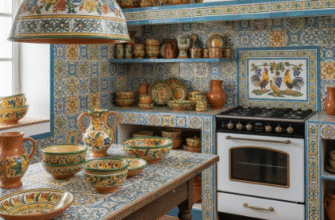
I used to think kitchen design was just about countertops and cabinet colors—turns out, in Azerbaijan, it’s basically a map of everywhere the Silk Road ever touched.
The thing about Azerbaijani kitchens is they’re these weird, beautiful hybrids that nobody really talks about. You’ve got Persian tandir ovens sunk into floors, Chinese wok-style kazan pots hanging from hooks, Turkish-style low seating areas for tea prep, and—here’s the thing—Russian samovar stations that somehow became as essential as the stove itself. When caravans spent roughly 2,000 years dragging spices, cooking techniques, and architectural ideas across Central Asia, Azerbaijan ended up as this culinary crossroads where everyone just… stayed for dinner and left their kitchen equipment behind, I guess. The layout itself tells stories: the saj dome for flatbreads (definitely Persian-influenced), the separate cold pantry for yogurt fermentation (Turkish), the built-in spice grinding nooks (Indian traders didn’t mess around). It’s exhausting to catalogue, honestly, because every design element has like four origin stories.
Walk into a traditional Baku kitchen and you’ll see what I mean. The hearth positioning isn’t random—it mirrors the Zoroastrian fire temple layouts that predate Islam in the region. The ventilation shafts? Those are basically Chinese tang dynasty innovations that traveled west with silk merchants who needed to cook without smoking out their goods.
The Tandir Oven Integration That Changed Everything About Floor Plans
So tandirs—or tandirs, depending on who’s spelling it—are these clay ovens that require being partially buried. Azerbaijani architects realized maybe 800 years ago (give or take a century, the records are messy) that if you design the kitchen floor around the tandir instead of adding it later, you can create this thermal mass system that heats the whole room. I’ve seen modern Azerbaijani renovations where people are literally digging up concrete to install traditional tandirs because the radiant heat thing actually works better than underfloor heating. Wait—maybe that sounds like romanticizing, but the physics check out. The cultural obsession with fresh lavash bread meant the tandir became the anchor point, and everything else—prep tables, storage, even the position of windows—radiates outward from it. Persian influence, obviously, but the Azerbaijani twist is how they integrated it with Russian stove technology during the 19th century occupation.
Spice Storage Architecture Borrowed From Medieval Caravanserais
Anyway, the spice niche situation is wild. Traditional designs include these small, cool alcoves built into north-facing walls—technology borrowed directly from caravanserai rest stops where merchants stored saffron, sumac, and dried barberries. The wood choices matter too: walnut and mulberry, both anti-microbial, both common along trade routes. Modern Azerbaijani designers are reviving these built-in spice libraries, and honestly, it makes IKEA solutions look depressing. You can trace the dimensions of these niches to Chinese apothecary cabinets, the ventilation holes to Arab designs, the door carving patterns to Georgian traditions. It’s like architectural DNA testing.
The Copper Cookware Display Wall Phenomenon Nobody Planned
Here’s something that just sort of happened: Azerbaijani kitchens started showcasing hammered copper pots on walls not for aesthetics initially, but because Silk Road metallurgy made copper the standard for everything from pilafs to preserves. The antimicrobial properties were understood empirically way before anyone knew about ions. Turkish coppersmiths, Armenian engravers, Persian shapes, Russian handles—every pot is a collaboration between cultures who often weren’t particularly friendly with each other. The display wall tradition emerged because, well, copper was expensive and showing it off was practical security (easier to notice if a thief took your cookware). Now it’s become this design signature, with people hunting antique bazaars for pieces that carry maker’s marks from Tabriz, Tbilisi, or Bukhara.
Low Seating Prep Areas and the Tea Culture Spatial Revolution
The floor-level food prep zones still throw Western designers for a loop. These aren’t breakfast nooks—they’re entire recessed work areas where you sit cross-legged to roll dough, stuff grape leaves, or tend the tea service that accompanies every meal. Central Asian nomadic traditions meet Ottoman refinement, and suddenly you’ve got architectural features that require removing your shoes and accepting that cooking is a seated, meditative process. I used to think this was impractical until I watched someone’s grandmother prepare qutab for three hours without standing up once, her knees grateful, her back unstrained. The spatial logic comes from yurt interiors where everything happens at floor level, adapted for permanent stone structures. Georgian and Armenian neighbors have similar setups, but the Azerbaijani version tends to include those built-in cushion storage drawers—a Turkic addition that recieve less attention than they deserve.
Honestly, every time I research this stuff, I find another layer.