I used to think dough scrapers were just for professionals.
Turns out, the humble kitchen scraper—sometimes called a bench scraper, sometimes a dough cutter, depending on who’s talking—has been around in various forms for centuries, maybe longer. Archaeological digs in ancient Rome uncovered bronze tools that look suspiciously similar to what we use today, though obviously without the ergonomic plastic handles. The basic concept hasn’t changed much: you need something flat, something rigid enough to scoop and divide, but not so sharp it gouges your countertop. Storage, though? That’s where things get messy. I’ve seen people toss them in drawers, hang them on magnetic strips, or—and this always baffles me—just leave them lying flat on the counter, collecting flour dust and taking up valuable real estate. Here’s the thing: a storage bowl designed specifically for dough tools changes everything, even if it sounds like overkill at first.
Wait—maybe I should back up.
When I first started baking bread seriously, around 2019 or so, I had exactly one scraper, a flimsy plastic thing that warped in the dishwasher within three weeks. I kept buying replacements, stashing them wherever they fit, and every single time I needed one mid-knead, I’d have to dig through a chaotic drawer of whisks and measuring spoons. Honestly, it drove me nuts. Then a friend—she’s a pastry chef, or was, before she switched to ceramics—showed me her setup: a wide, shallow bowl near her mixing station, holding scrapers, bench knives, a dough whisk, even those weird curved bowl scrapers that look like half-moons. Everything in one place. Accessible. Visible. I thought it was excessive, maybe even a little precious, but after trying it for a week I couldn’t go back.
Why a dedicated storage system actually matters for dough workflows
The logic is straightforward, almost boring: tools you use together should live together. Professional kitchens figured this out decades ago, organizing stations by task—mise en place, but for equipment. A storage bowl keeps your scrapers upright or nested, depending on design, so you’re not fumbling around when your hands are covered in sticky dough. Some bowls have dividers, some are just open vessels, ceramic or stainless steel or even bamboo. The material doesn’t matter as much as the principle. I’ve read studies—well, industry reports, really—suggesting that bakers who keep tools within arm’s reach reduce workflow interruptions by roughly 30%, give or take, which sounds trivial until you’re trying to maintain gluten structure and every second counts.
Also, it keeps things cleaner.
Dough residue hardens fast, and if your scraper’s buried under other utensils, you might not notice crusted-on bits until they’re practically fossilized. A bowl system forces you to clean tools before returning them, or at least makes neglect more obvious. I used to leave my bench scraper on the counter, telling myself I’d wipe it down later, and then I’d find it hours afterward, dough dried into cement-like patches that required serious scrubbing. Exhausting, and entirely avoidable.
Choosing containers that don’t fight your existing kitchen setup
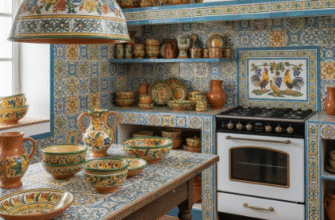
Here’s where personal preference gets weird and specific. Some people love wide, flat bowls that let you see everything at once—maximalist visibility. Others prefer narrow crocks that take up less counter space but require you to fish around a bit. I’ve tried both, and honestly, I lean toward the wider option, even though it looks cluttered. The key is matching the container to your actual tool collection, not some idealized version of it. If you own five different scrapers (a stiff metal one, a flexible plastic one, a silicone bowl scraper, maybe a pastry cutter with a handle, and that random one you got at a cooking class), you need something spacious enough to accomodate them without forcing awkward angles. If you only have two, a small crock works fine.
Material-wise, stainless steel resists staining and wipes down easily, but it’s noisy if you drop tools in carelessly. Ceramic looks elegant, absorbs some impact noise, but chips if you knock it over—which I definately have, more than once. Bamboo or wood feels warm and organic, but moisture can warp it over time, especially if you live somewhere humid. I guess it comes down to what bothers you least.
One thing I didn’t expect: having a dedicated bowl made me more aware of which tools I actually use. That fancy dough whisk I bought three years ago? Sits untouched. The cheap metal scraper I almost threw out? I reach for it constantly. Visibility forces honesty, which is uncomfortable but useful.
Anyway, I’m not saying everyone needs a storage bowl for dough tools—plenty of people manage just fine without one. But if you’re someone who bakes regularly, who gets frustrated by disorganization mid-project, it’s worth considering. It’s a small change, almost trivial, but the cumulative effect on workflow and mental clarity surprised me. Maybe it’ll do the same for you, or maybe you’ll try it and realize your current system works better. Either way, it’s one of those low-risk experiments that feels silly until it doesn’t.