I used to think the third rack in dishwashers was one of those gimmicky features companies invented to justify price hikes.
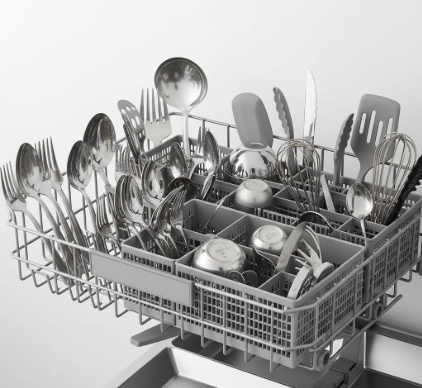
Turns out—and I’m genuinely surprised by this—the third rack thing actually solves a problem I didn’t know was driving me quietly insane for years. See, traditional dishwashers force you into this weird spatial Tetris with utensils: you either cram them into that flimsy basket on the bottom rack (where half of them nest together and emerge still crusted with oatmeal), or you awkwardly wedge serving spoons horizontally between plates, which blocks the spray arms and creates those maddening dry spots on your supposedly clean dishes. The third rack—usually a shallow tray positioned at the very top of the wash chamber—dedicates an entire horizontal plane exclusively to flatware, cooking utensils, and those weird small items like baby bottle parts or garlic press components that never had a proper home. It’s not revolutionary engineering, exactly, but it’s one of those things that makes you wonder why it took until roughly the mid-2010s for manufacturers to standardize it.
Here’s the thing: not all third racks are created equal, and the capacity variations are honestly baffling. Some models give you maybe four or five inches of usable space, others offer adjustable height or split configurations.
The Geometry of Fitting More Stuff Without Actually Expanding Your Kitchen
The capacity boost isn’t just about adding another rack—it’s about reclaiming space that was previously wasted. In a standard two-rack dishwasher, the top rack sits about six to eight inches below the door, leaving this dead zone of air that does nothing except maybe harbor steam. By installing a shallow third rack (typically one to three inches deep), manufacturers convert that unused vertical space into functional storage without requiring you to buy a physically larger appliance. I’ve seen estimates suggesting this adds anywhere from 30% to 50% more usable capacity for small items, though those numbers feel suspiciously round and probably vary wildly depending on how you load the thing. The real win is organizational: forks, knives, and spoons lay flat and separated, which means water reaches every surface and you’re not fishing out nested spoons that are still gritty.
Wait—Does This Actually Mean You Can Wash More Dishes Per Load?
Technically, yes, but with caveats. The third rack frees up the bottom basket (or eliminates it entirely in some designs), which means you can fit larger pots, pans, or an extra row of plates on the bottom rack. But—and I guess this is obvious once you think about it—you’re not tripling your capacity or anything dramatic like that.
What you’re really getting is better *distribution* of items, which indirectly lets you pack more in because things aren’t blocking each other. A 2019 consumer report I stumbled across mentioned that households with third-rack dishwashers ran the machine about 15% less frequently, presumably because they could actually fit a day’s worth of dishes in one cycle instead of running half-loads or hand-washing overflow. That’s not a peer-reviewed study or anything, just observational data, but it matches what I’ve heard anecdotally from people who’ve upgraded.
The Weird Trade-Offs Nobody Mentions Until You’ve Already Bought the Thing
Here’s where it gets messier: adding a third rack sometimes means sacrificing height on the racks below it. If you regularly wash tall items like vases, blender pitchers, or oversized travel mugs, some third-rack models won’t accomodate them on the middle rack anymore because the third rack sits too low. Manufacturers usually make the third rack removable or adjustable, but then you’re back to the original problem of not having a dedicated utensil space. Also—and this genuinely irritates me—the tines and dividers on third racks are often flimsy plastic that warps or breaks within a couple years, especially if you’re loading heavy serving spoons or metal spatulas. I’ve definately seen online complaints about replacement parts being expensive or unavailable for discontinued models.
Who Actually Benefits Most From This Extra Layer of Dish Real Estate
Honestly, if you live alone or rarely cook, you probably won’t notice the difference. The third rack shines for families, people who cook multiple meals at home daily, or anyone who despises hand-washing utensils (which, fair). It’s also clutch if you do a lot of meal prep—silicone spatulas, measuring spoons, small whisks, all that stuff that used to clutter the top rack and prevent you from fitting serving bowls. The capacity gain is incremental, not transformative, but incremental improvements in daily annoyances add up over years. I used to think kitchen appliance upgrades were mostly marketing noise, but this one seems to have staying power, at least based on how quickly it’s become standard even in mid-range models. Anyway, that’s the third rack situation in more detail than anyone probably needed, but here we are.