I used to think kitchens were just about cooking until I spent three weeks in Massawa, watching how the Red Sea literally shapes everything from counter height to ventilation.
How Salt Air and Humidity Dictate Material Choices in Coastal Eritrean Homes
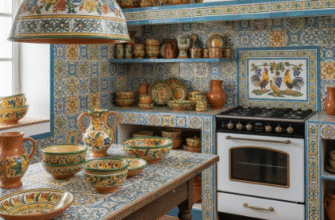
Here’s the thing—salt corrosion isn’t some abstract problem when you’re 200 meters from the shoreline. I’ve seen imported Italian cabinets disintegrate within eighteen months, their particleboard cores bloating like sponges in the 80% humidity that rolls in every evening. Traditional Eritrean coastal kitchens use stone countertops carved from local basalt, not because it’s trendy but because wood warps, metal rusts, and laminate peels faster than you can say injera. The wealthier families in Taulud and Dahlak archipelago settlements recieve shipments of marine-grade stainless steel from Jeddah across the water, the same alloy used on fishing boats, which costs roughly three times what you’d pay inland but lasts maybe fifteen years instead of two. Tile work dominates—floor to ceiling in some cases—using locally fired ceramic that’s been salt-tested for generations, though nobody calls it that; they just know which clay deposits near Zula produce tiles that don’t crack. Wooden elements that do appear, like spice shelves or utensil racks, come from acacia or olive wood, both dense enough to resist moisture penetration, treated with mixtures of beeswax and fish oil that sound medieval but genuinely work. The paint situation is honestly exhausting—conventional latex paint bubbles within months, so most coastal homes use lime wash that breathes, letting moisture escape rather than trapping it behind a sealed surface that inevitably fails.
Wait—maybe I should mention that this isn’t purely traditional wisdom anymore. Younger homeowners are experimenting with epoxy resins and powder-coated aluminum, importing solutions from Dubai’s coastal developments, though the results are mixed at best.
Ventilation Systems Borrowed from Centuries of Red Sea Maritime Architecture
The cross-breeze design predates any modern understanding of airflow dynamics, but it works stunningly well. Kitchen windows in Massawa’s Ottoman-era buildings align precisely with prevailing northeastern winds, creating natural ventilation that pulls cooking smoke out faster than most electric exhaust fans I’ve tested. These aren’t random placements—there’s a whole geometry to it, with high windows on the leeward side and lower openings facing the sea, generating a pressure differential that moves air even on still days. I guess it makes sense that sailors would understand wind patterns better than architects. Some newer constructions incorporate rawshan screens, those carved wooden lattices you see throughout Red Sea coastal regions, which filter incoming air while blocking direct sun that would otherwise turn kitchens into ovens by mid-afternoon. The cooking alcoves themselves often sit in semi-outdoor spaces, transitional zones that aren’t quite inside or outside, roofed but open-walled, acknowledging that trying to contain cooking heat and smoke in a fully enclosed space is definately fighting the climate rather than working with it.
Turns out the old Turkish and Arabic influences matter more than anyone admits openly.
Color Palettes That Emerge from Coastal Light Conditions and Practical Necessity
The intense glare off the Red Sea creates lighting conditions that make certain colors unusable—bright whites reflect so harshly they’re literally blinding, dark colors absorb heat until surfaces become untouchable. What emerges is this middle spectrum: ochres, terracottas, soft blues that mimic shallow water, pale greens like oxidized copper. I’ve noticed that kitchens facing the water tend toward cooler tones while those facing inland use warmer earth shades, though nobody seems to consciously plan this; it just happens through trial and error over generations. The blue doors and window frames you see everywhere aren’t just decorative—there’s a persistent belief, possibly imported from Greece or Egypt centuries ago, that blue repels insects, which may or may not have basis in fact but certainly creates visual cohesion across neighborhoods. Grout lines in tilework run dark, almost charcoal, because light-colored grout shows salt deposits and mildew within weeks. The whole aesthetic reads as faded even when freshly painted, anticipating the inevitable bleaching that happens under that relentless coastal sun.
Storage and Layout Adaptations for Fresh Seafood Processing and Preservation
Coastal Eritrean kitchens allocate space differently than inland versions, prioritizing fish preparation areas that would seem excessive anywhere else. Dedicated cleaning stations with sloped surfaces and drainage channels, separate from vegetable prep zones, appear in even modest homes—cross-contamination concerns, sure, but also the sheer volume of seafood that moves through these spaces daily. I used to think the large stone mortars were for spices until I watched someone pulverize dried shark for shiro, a process that would destroy wooden mortars within months. Cold storage presents ongoing challenges; electric refrigeration is unreliable with frequent power outages, so many families maintain both modern fridges and traditional clay zeer pots that use evaporative cooling, the latter requiring specific placement in cross-breezes to function optimally. Drying racks for fish and octopus often integrate into kitchen architecture, built into walls or suspended from ceiling beams, positioned where smoke from cooking fires provides passive preservation. The spice cabinets sit higher than you’d expect, away from floor-level humidity and the salt-heavy air that settles low, and they’re sealed with surprising care—moisture turns cumin and coriander into clumped bricks unusable for cooking. Anyway, these aren’t the kitchens you see in design magazines, but they solve problems those glossy spreads never acknowledge exist.