I used to think kitchens were just functional boxes where you heated food and avoided grease fires.
Then I spent three weeks wandering through Tel Aviv apartments and Jerusalem stone houses, notebook in hand, asking architects and home cooks about their spaces, and here’s the thing—Israeli kitchen design doesn’t fit into the neat categories I’d learned in design school. It’s not Scandinavian minimalism, not farmhouse rustic, not even that sleek German efficiency everyone raves about. It’s something messier, more lived-in, shaped by roughly 75 years of immigration waves, climate realities, and the fact that nobody here seems to eat dinner before nine. The Mediterranean light pours in through oversized windows because summers hit 95 degrees and you need cross-ventilation or you’ll die, basically. Middle Eastern influences show up in the tile work, the low seating nooks attached to breakfast bars, the dedicated spaces for making preserves and pickling vegetables that your grandmother insists you must have.
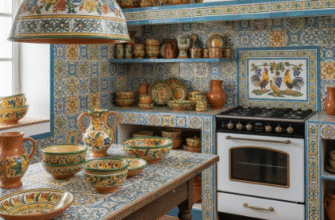
Anyway, the colorpalettes tend toward sun-bleached neutrals—think Jerusalem limestone, sand, that particular shade of dusty terracotta. But then you’ll see a backsplash in cobalt blue zellige tiles from Morocco, or geometric patterns lifted straight from Damascus ironwork. It’s contradictory in a way that somehow works.
Stone Surfaces That Actually Make Sense in a Hot Climate Without Air Conditioning Running All Day
Marble and limestone aren’t just aesthetic choices here—they’re temperature regulation. I watched a designer in Jaffa run her hand across a Jerusalem stone counter and explain that it stays cool even when it’s 38 degrees outside, which matters when you’re rolling pastry dough for burekas at noon. Caesarstone, invented in Israel in the 1980s (turned out to be a huge export), shows up everywhere now because it mimics that natural stone coolness but doesn’t stain when pomegranate juice inevitably spills. The stones often have rough, unhoned finishes that would make a Los Angeles kitchen designer wince, but they hide wear better and feel less precious. You can slam down a pot of shakshuka without anxiety.
Wait—maybe I should mention that these kitchens rarely have upper cabinets along every wall.
Open shelving isn’t a Pinterest trend here; it’s practical archaeology. People want to see their preserved lemons, their seven types of tahini, their collection of olive oils from different regions. It’s part showing off, part necessity—when you cook with ingredients your family brought from Yemen or Poland or Tunisia, you don’t hide them behind particleboard. I’ve seen shelves that display spice collections like museum installations, dozens of small jars labeled in three languages. The lower cabinets tend to be deep drawers instead of shelves because bending down in heat is miserable, and pulling out a drawer takes less effort than crouching to find a pot.
Merged Cooking and Gathering Spaces That Reflect Actual Middle Eastern Hospitality Patterns Instead of American Open-Plan Marketing
The kitchen bleeds into the dining area without formal separation, but it’s not the same as those massive American great rooms. It’s more like—the kitchen is the room. I guess it makes sense when meals stretch for three hours and involve fourteen cousins arguing about politics. Low benches with cushions line one wall, usually near the stove, so people can sit and talk while someone’s browning onions for mejadra. There’s almost always a prep island that doubles as a serving station, often with a built-in cutting board that’s seen enough knife work to have a permanent groove down the center.
Ventilation Systems Designed for Frying Everything in Olive Oil Multiple Times Per Day
The range hoods are—honestly—aggressively powerful. They have to be. Israeli and Middle Eastern cooking involves a lot of high-heat searing, frying schnitzels, charring eggplants directly on gas flames until the skin blackens. I met one architect who specified commercial-grade ventilation for a residential project because the client made falafel from scratch twice weekly. The windows often have those Mediterranean shutters that tilt to let air through while blocking direct sun, creating cross-breezes that carry cooking smells outside instead of into the bedrooms. It’s low-tech climate control that definately works better than you’d expect.
Hybrid appliances show up more here than elsewhere—combination ovens that do regular baking and convection and sometimes steam, because Shabbat meals require slow-cooked stews and challah baking and keeping food warm for 25 hours without technically cooking. Countertop space gets prioritized over storage because meal prep is a group activity, not a solitary chore.
The imperfection is the point, I think. A chip in the tile backsplash, the mismatched cabinet handles collected over years, the way the marble has yellowed slightly around the sink—these aren’t flaws to fix but evidence of use. Of life happening in a space designed not for photo shoots but for the chaotic, loud, aromatic reality of feeding people you love.