I used to think backsplashes were just, you know, the thing you slap up behind your sink to keep water off the drywall.
Turns out—and this surprised me when I started digging into renovation forums at 2 AM because my own kitchen looked like a crime scene—the material you choose actually shapes how you cook, clean, and feel about your space for the next decade or so. Tile, stone, and glass each have this weird personality, and I don’t mean that in some HGTV way where everything is “transformative.” I mean they age differently, stain differently, crack under pressure in ways that genuinely matter if you’re the one scrubbing tomato sauce off them every Tuesday. The ceramic tile my neighbor installed in 2019 still looks pristine; the marble slab my cousin put in her beach house? Let’s just say lemon juice is not marble’s friend, and she learned that the hard way. Glass, meanwhile, sits in this strange middle zone—gorgeous when clean, but every fingerprint becomes a personal accusation. Honestly, I didn’t expect to care this much about backsplashes, but here we are, and here’s the thing: the choice is messier than the design blogs admit.
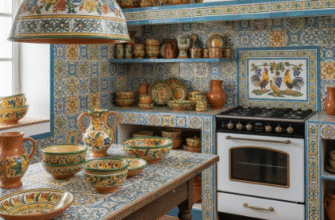
Ceramic and porcelain tile dominate kitchens for reasons that feel almost boring until you actually live with them. They’re cheap—relatively speaking, maybe $5 to $15 per square foot if you’re not going for hand-painted Portuguese imports—and they shrug off heat like it’s nothing. I’ve seen people rest hot pans directly against tiled backsplashes with zero consequences, which you definately cannot do with certain stones. The grout, though, wait—maybe this is obvious, but the grout is where tile gets complicated.
It stains. It cracks if your house settles even slightly. Sealing it becomes this annual ritual you either commit to or pretend doesn’t exist until the lines turn gray-brown and questionable.
Natural stone—marble, granite, slate, that whole category—brings this weight, this literal and figurative heft that makes a kitchen feel expensive even if the rest of your appliances are from 2003. Marble especially has that soft, veined elegance people associate with Italian villas or whatever, but it’s also porous as hell, which means it absorbs stains, acids, oils, basically everything you use in a kitchen. I guess it makes sense that something so beautiful would be high-maintenance; it’s almost a cliché at this point. Granite is tougher, denser, less prone to etching, but it still needs sealing every year or two, and the patterns can feel busy—some people love that, some people find it visually exhausting. Slate is darker, moodier, hides imperfections better, but it can flake if the layers weren’t bonded right during quarrying, and honestly, not every supplier is upfront about that. Stone costs more upfront, maybe $20 to $50 per square foot installed, and it demands respect in a way tile just doesn’t. You can’t throw any old cleaner at it; acidic stuff will dull the finish, and once that happens, you’re looking at professional restoration or living with the damage.
Then there’s glass, which I’ve always found a little polarizing.
Glass tile or glass panels (the latter being large sheets, less grout, more seamless) reflect light in ways that can make a small kitchen feel bigger, brighter, almost clinical if you’re not careful with the color palette. They’re non-porous, so staining isn’t really an issue—oil, wine, turmeric, whatever, it wipes off. But they show every smudge, every water spot, every fingerprint from when you braced yourself against the counter after too much coffee, and if you’re not the type to wipe things down daily, that shimmer turns into a record of your habits. I used to think glass was fragile, but tempered glass backsplashes are actually pretty resilient; they can handle heat and impacts better than you’d expect, though a hard enough knock in the wrong spot can spiderweb the whole thing. Cost-wise, glass sits somewhere between tile and stone—$15 to $40 per square foot, depending on whether you go mosaic or slab. The installation is trickier, though; not every contractor is comfortable working with it, and if the wall isn’t perfectly flat, you’ll see shadows and bubbles behind the glass that drive you slightly insane once you notice them. Anyway, the aesthetic is clean, modern, a little cold unless you pair it with warm wood or brass fixtures, and it either fits your vibe or it doesn’t—there’s not much middle ground with glass.
What gets me is how subjective durability feels in practice. Tile is “durable” until the grout fails. Stone is “timeless” until it stains. Glass is “easy to clean” until you realize you’re cleaning it constantly. I’ve seen kitchens with twenty-year-old subway tile that still look fine, and I’ve seen marble backsplashes ruined in six months by someone who didn’t realize you can’t just spray Windex on natural stone. The material matters, sure, but so does whether you’re the kind of person who seals, wipes, maintains—or whether you just want something that survives benign neglect. There’s no universal answer, which is maybe the most honest thing I can say about backsplashes, and probably the least helpful, but it’s true.